
XITO AUTONOMOUS SCHOOL
PILOT: FREE 3-PART VIRTUAL ETHNIC STUDIES PROFESSIONAL DEVELOPMENT SERIES
About the XITO Autonomous School | About the Fall 2026 Series | Eligibility | Important Dates | Application | FAQ
In response to ongoing attacks and repression XITO faces training teachers in decolonial Ethnic Studies, including teaching Palestine, we are launching this virtual professional development series as the first step towards building the XITO Autonomous School.
THE PILOT: FALL 2026 VIRTUAL SERIES
This is a FREE three-part Ethnic Studies professional development series on decolonial pedagogy, border militarization and resistance, and teaching Palestine. This is not merely a professional development opportunity. Participants will help to provide critical input on the structure and offerings of the XITO Autonomous School. In return, participants will receive a $100 stipend, all series content, resources and sample curriculum, and an opportunity to network and collaborate with fellow educators and organizers.
Purpose:
To gather a cohort of Ethnic Studies educators and organizers who are interested in building the next steps of the XITO Autonomous School
To get input and feedback from teachers on what is most useful and needed in this moment (content, training, curriculum, fieldwork, organizing, etc)
To build relationships and collaboration between educators and organizations facing similar attacks and repression against teaching liberatory Ethnic Studies and Palestine

SESSION 2 | THURSDAY, NOVEMBER 19TH | 5:00–7:00PM PST
BORDER MILITARIZATION & RESISTANCE: Resources & Curriculum for Teachers
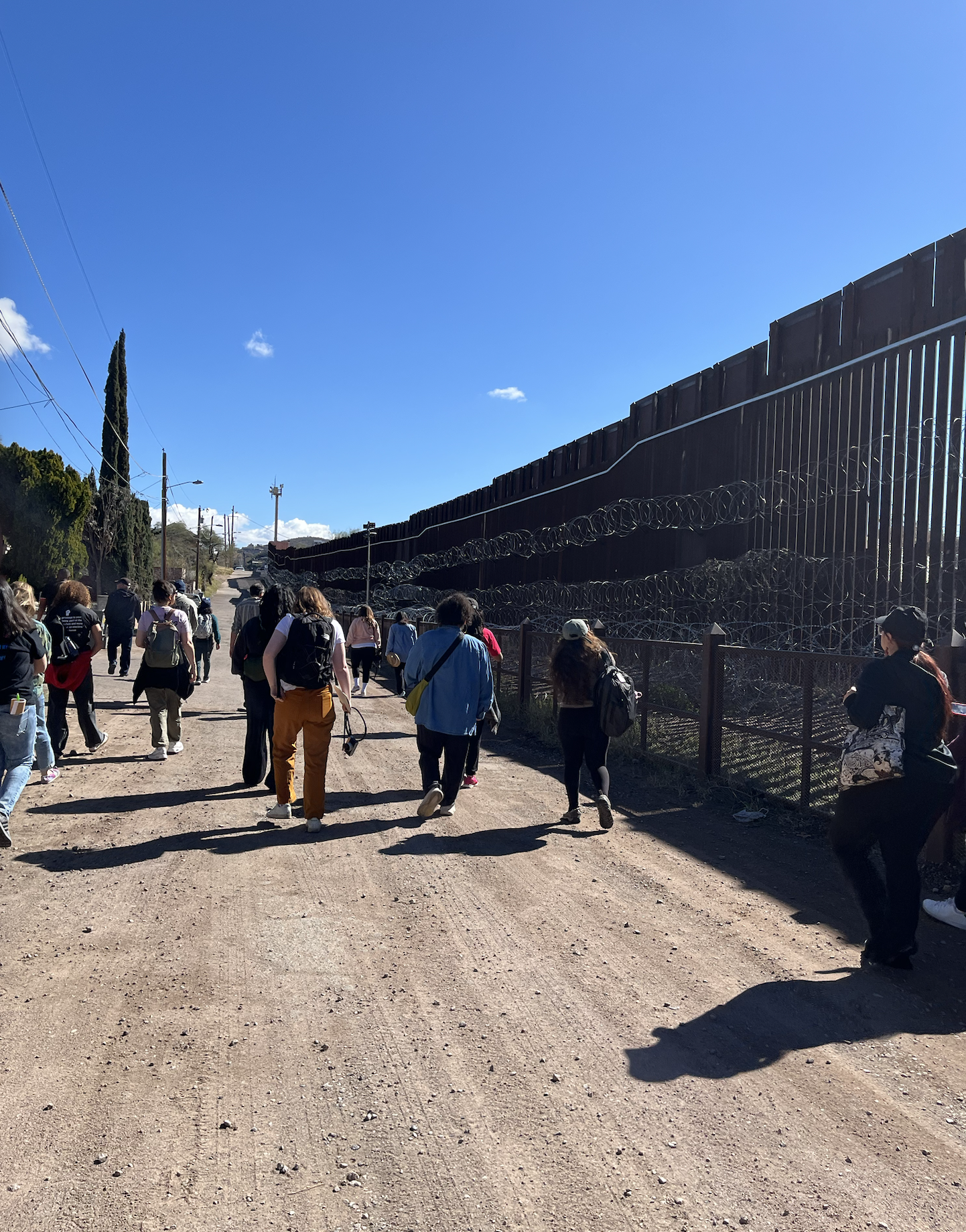
How do we as Ethnic Studies teachers stay current on border and immigration issues when there is so much misinformation and such a rapidly changing militarized landscape and resistance front? In this session, our partners from The Border Chronicle will share an inside look at their independent journalism content including Wall Watch, a community-powered mapping project, and how it can be integrated into Ethnic Studies lessons.
ABOUT THE SESSIONS
SESSION 1 | THURSDAY, NOVEMBER 5TH | 5:00–7:00PM PST
DECOLONIAL FRAMEWORKS FOR LIBERATORY ETHNIC STUDIES
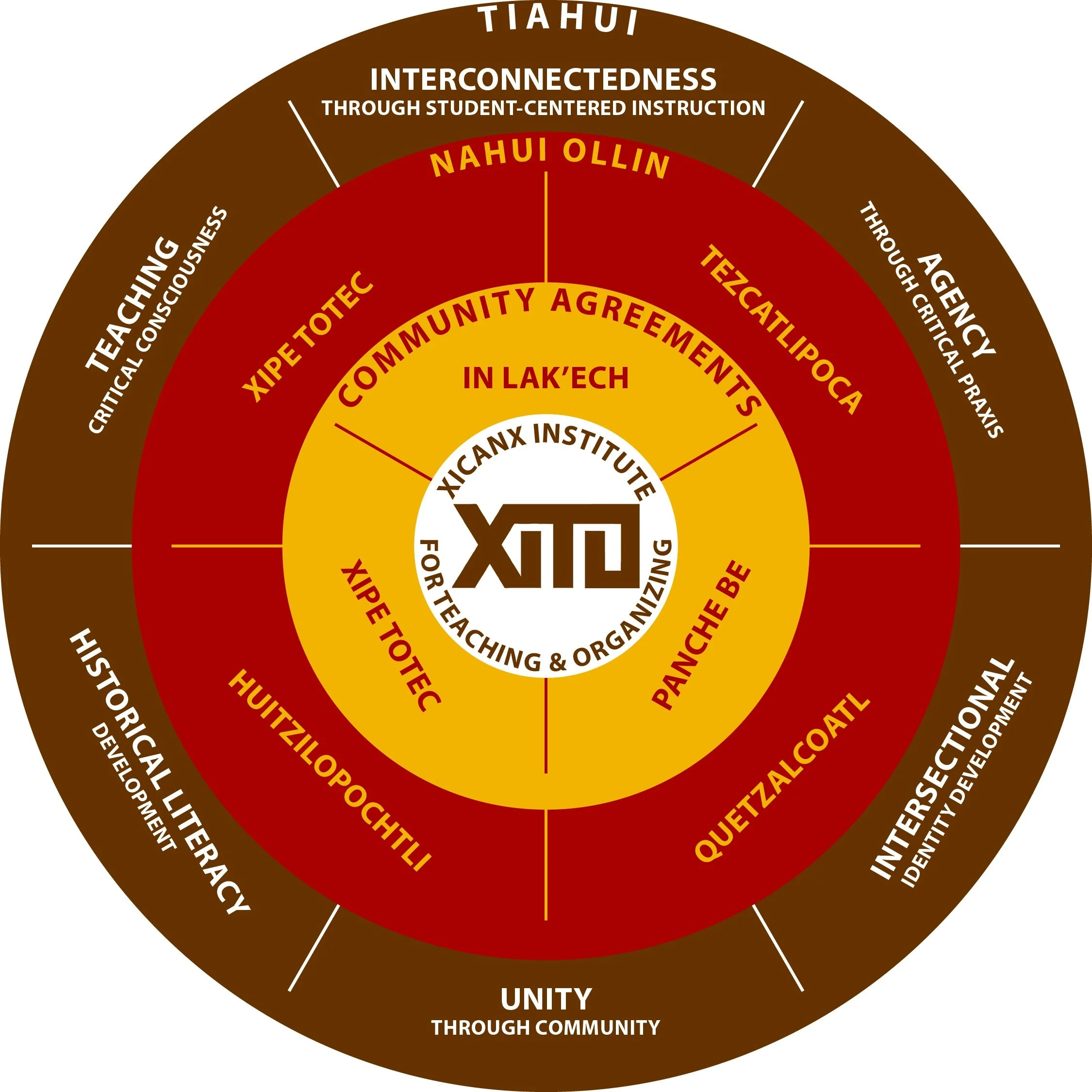
In our first virtual session, participants will revisit XITO’s decolonial framework, TIAHUI, including how to operationalize the Nahui Ollin. We will interrogate how these Indigenous epistemologies have led to students’ transformation and liberation as assessed through human measures such as sense of hope, cultural identity affirmation, purpose, and agency. We will also analyze and discuss the threat these frameworks have posed to the educational colonial project by reintroducing indigeneity to youth of color and the continued erasure of this content when Ethnic Studies comes under attack.

SESSION 3 | THURSDAY, DECEMBER 3RD | 5:00–7:00PM PST
TEACHING PALESTINE IN AN ETHNIC STUDIES FRAMEWORK
This session will address the urgency of the current moment by grounding the teaching of Palestine in historical context, political clarity, and collective responsibility. We will model and discuss teaching Palestine in an Ethnic Studies framework focusing on imperialism, empire, and settler colonialism, and how these forces shape both the reality on the ground and the narratives we encounter. This session will also include legal information for educators on their rights teaching Palestine.

WHAT IS THE XITO AUTONOMOUS SCHOOL?
As we face attacks, repression and legal challenges for training educators to teach liberatory Ethnic Studies, the XITO Autonomous School is a way to ensure educators are receiving the training they need through collaboration with organizations to deliver content in a variety of formats: institutes, virtual trainings, field-based trainings, youth programming, and much more.
For years, many of us have been talking about this big dream of building an autonomous school - a space to share knowledge and resources outside of existing educational institutions and protected from ongoing legal attacks and repression. This is not a new idea. Ethnic Studies as a discipline and movement emerged from struggle, as did XITO - there is a long history of underground schools, freedom schools, etc that were created within and play a crucial role in broader movements for liberation. Our hope is to follow in this tradition and use the skills, knowledge, relationships and resources we have to build a structure that enables Ethnic Studies teachers and organizers to continue having access to the training and community they need, under increasingly repressive conditions.
¡Seguimos en la lucha!
WHO IS ELIGIBLE TO APPLY?
Educators with experience teaching liberatory Ethnic Studies
Graduate students in Ethnic Studies or hoping to teach Ethnic Studies in the near future
Organizers or community members who are currently involved in a campaign or coalition connected to Ethnic Studies will also be considered.
Space is limited! We are primarily looking for educators who teach Ethnic Studies specifically, though we know that many teachers who teach Ethnic Studies do so in departments under a different name - there is space in the application to write the name of your title/department/subject.
We are also prioritizing applicants who have previously attended a XITO institute or training, but this isn’t a requirement.
Participants will be expected to attend all three sessions live and provide feedback and input for each. This feedback will directly inform the next steps for the development of the XITO Autonomous School. Please do not apply if you know you will not be able to attend all three sessions. If you are selected to participate and have a conflict come up, contact us and we will work with you.
IMPORTANT DATES
Application Opens: October 12
Application Deadline: October 23
Notifications of Acceptance: October 26
If you plan on applying, please block off the session dates and times on your calendar!
Thursday, November 5, 5:00–7:00pm PST
Thursday, November 19, 5:00–7:00pm PST
Thursday, December 3, 5:00–7:00pm PST

STIPEND
Participants will help to provide critical input on the structure and offerings of the XITO Autonomous School. In return, participants will receive a $100 stipend, all series content, resources and sample curriculum, and an opportunity to network and collaborate with fellow educators and organizers.
Participants who attend all three sessions and complete all surveys/feedback forms following each session will receive a $100 stipend. This stipend will be sent out by December 10, 2026.
APPLICATION
If the form below doesn’t load, you can also access it here.
FAQ
-
We want to hear from you! If you’re not sure if you are eligible, just email us!
-
In order to receive the $100 stipend, you will need to attend all three sessions. We are hoping to receive input from folks who can be with us for the entire series. Contact us if you have a conflict.
-
Yes, we will have opportunities for input and future programming you can attend. We can not guarantee that other workshops will be free and provide a stipend but we are working toward that goal!
-
Spread the word! Please share with others about this opportunity and if you are able to, please donate to our Scholarly Homies Fund.