
Roll into the school year with XITO!
All proceeds will support our programming for the upcoming year.
Ethnic Studies Movement Archive
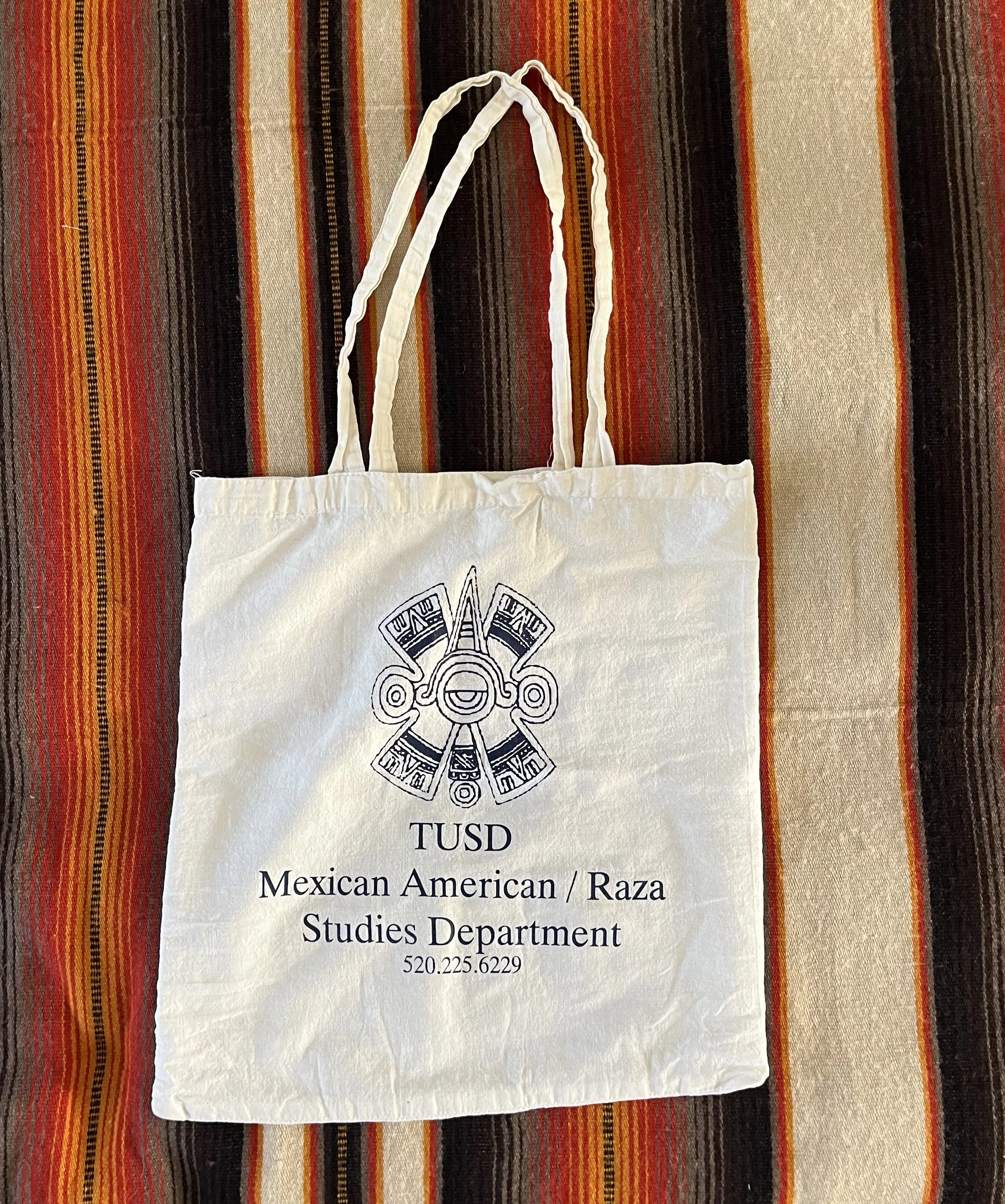
Shirts and classroom posters from Tucson’s Mexican American/Raza Studies program and the movement to Save Ethnic Studies and campaign against HB2281.
Ethnic Studies Curriculum
A variety of 3-6 week units as well as individual lessons developed by XITO.
Handmade Linocut Shirts & Patches
One-of-a-kind t-shirts, patches and more created using hand-carved linocut blocks.
Merch Sale
All XITO’s merch is on sale until September 1st! T-shirts, hoodies, mugs, hats, and more. Use code TIENDITA at checkout to take 10% off your order.
Ethnic Studies Movement Archive
Classroom posters and t-shirts from Tucson’s Mexican American/Raza Studies program and the fight to Save Ethnic Studies in response to HB2281.
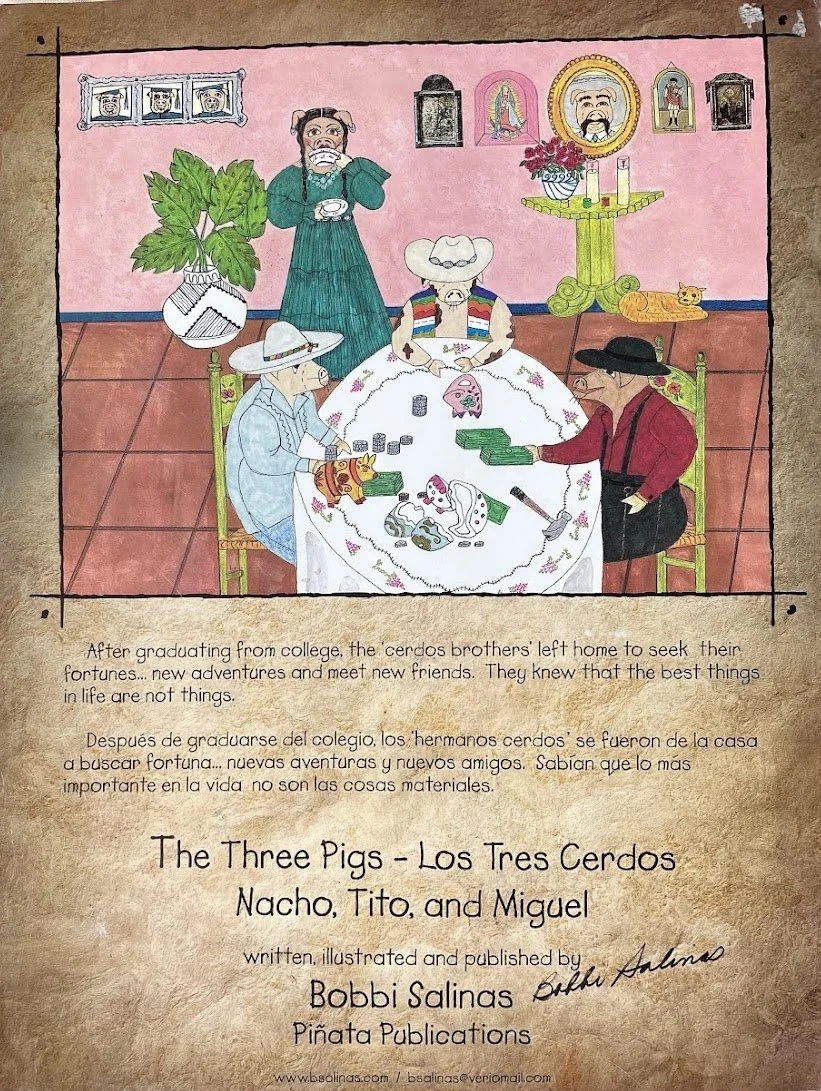
Signed poster from Bobbi Salinas, a children’s author and activist. This was used in a presentation on retelling the Cinderella Story while including the experiences of Chicanx youth. Salinas unfortunately passed away in 2013.
18”x24”
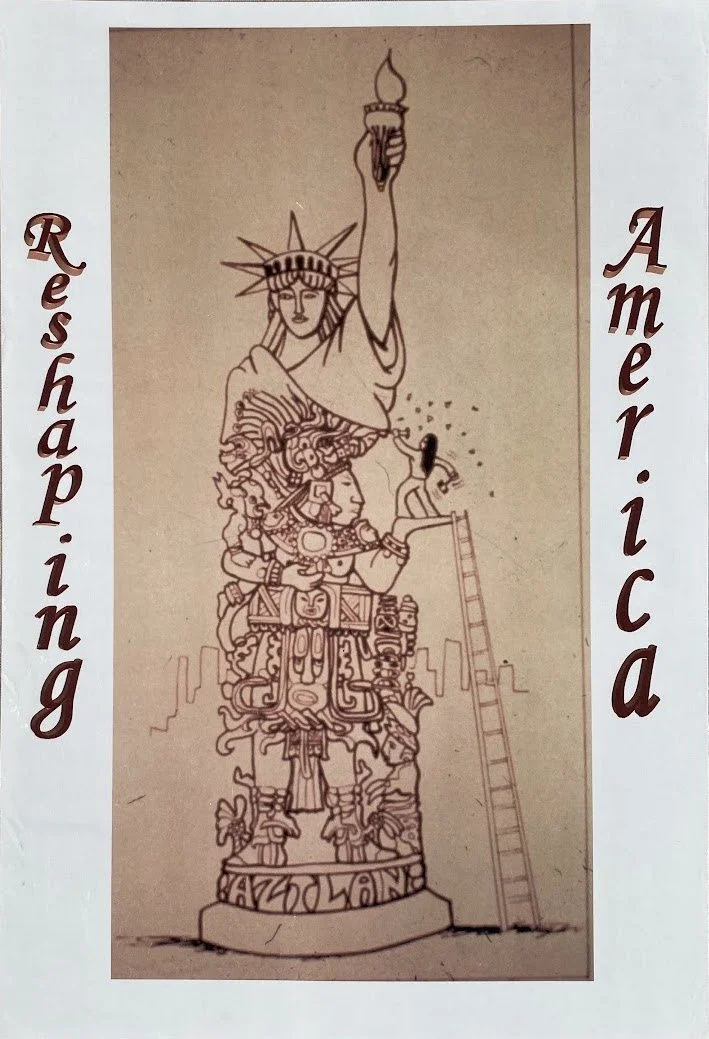
Poster featuring the etching “Libertad” by Chicana artist Ester Hernandez, 1976.
This poster was used in a lesson asking students to reconstruct the Statue of Liberty to represent their desired values of the United States.
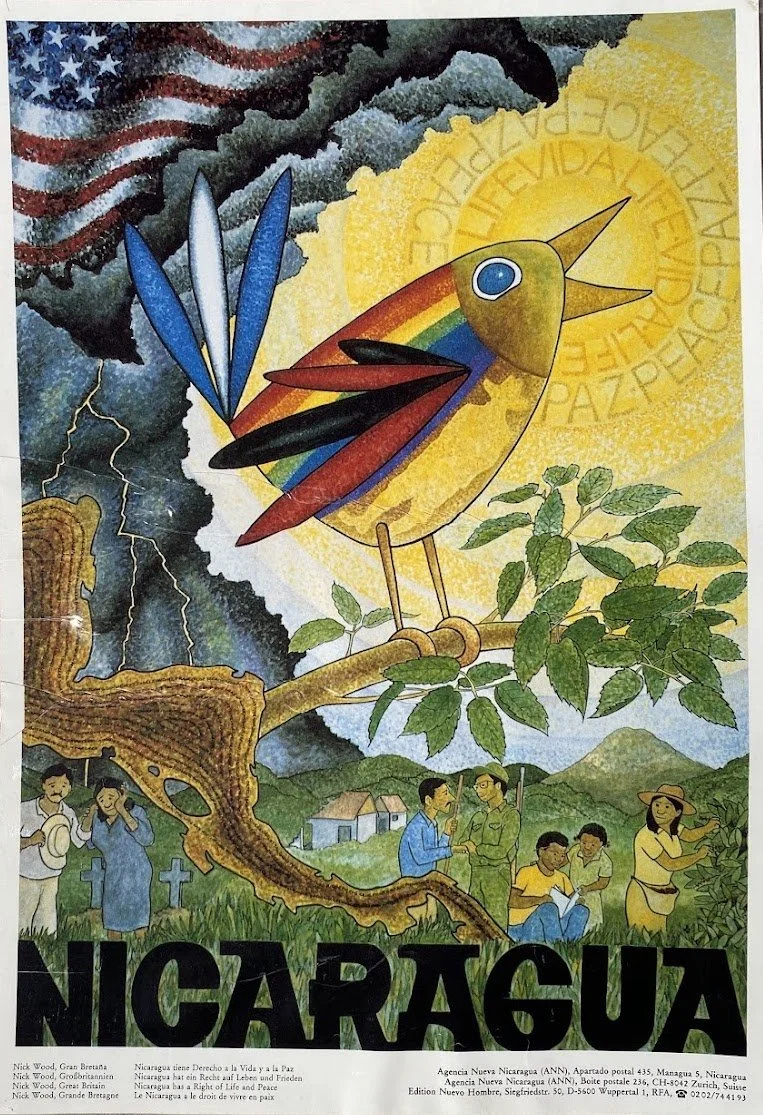
This is an original political solidarity poster from the 1980s titled "Nicaragua has a right to life and peace" /"Nicaragua tiene derecho a la vida y a la paz", produced in support of the Sandinista revolution and opposition to U.S. intervention.
13”x19”
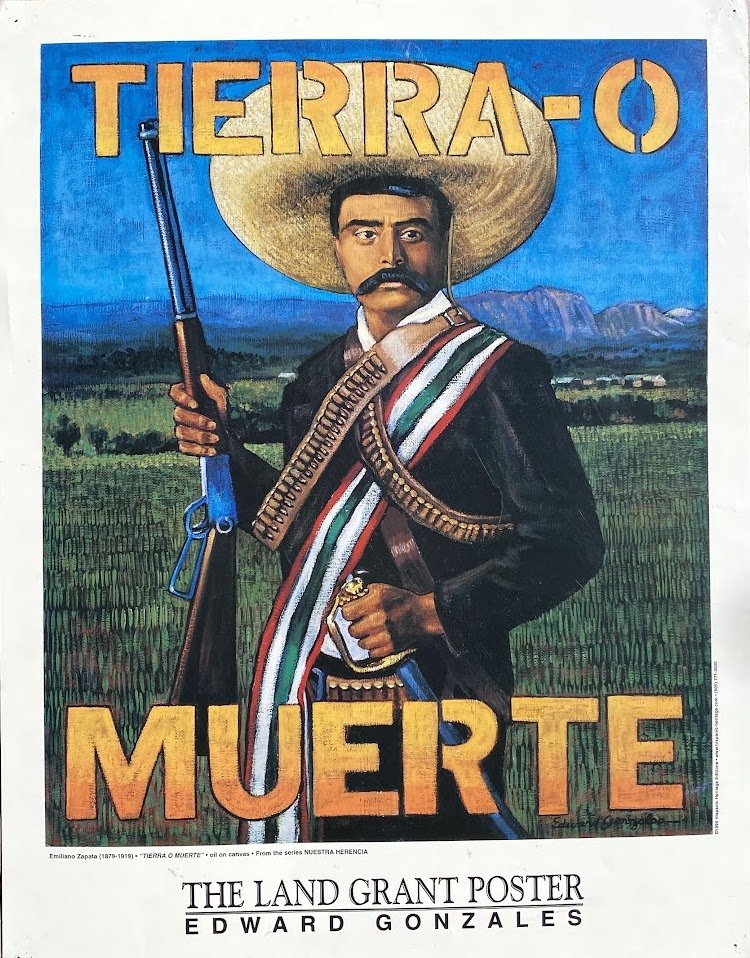
A painting of Emiliano Zapata by Edward Gonzales, a well known New Mexico artist celebrating the southwest.
22”x17”
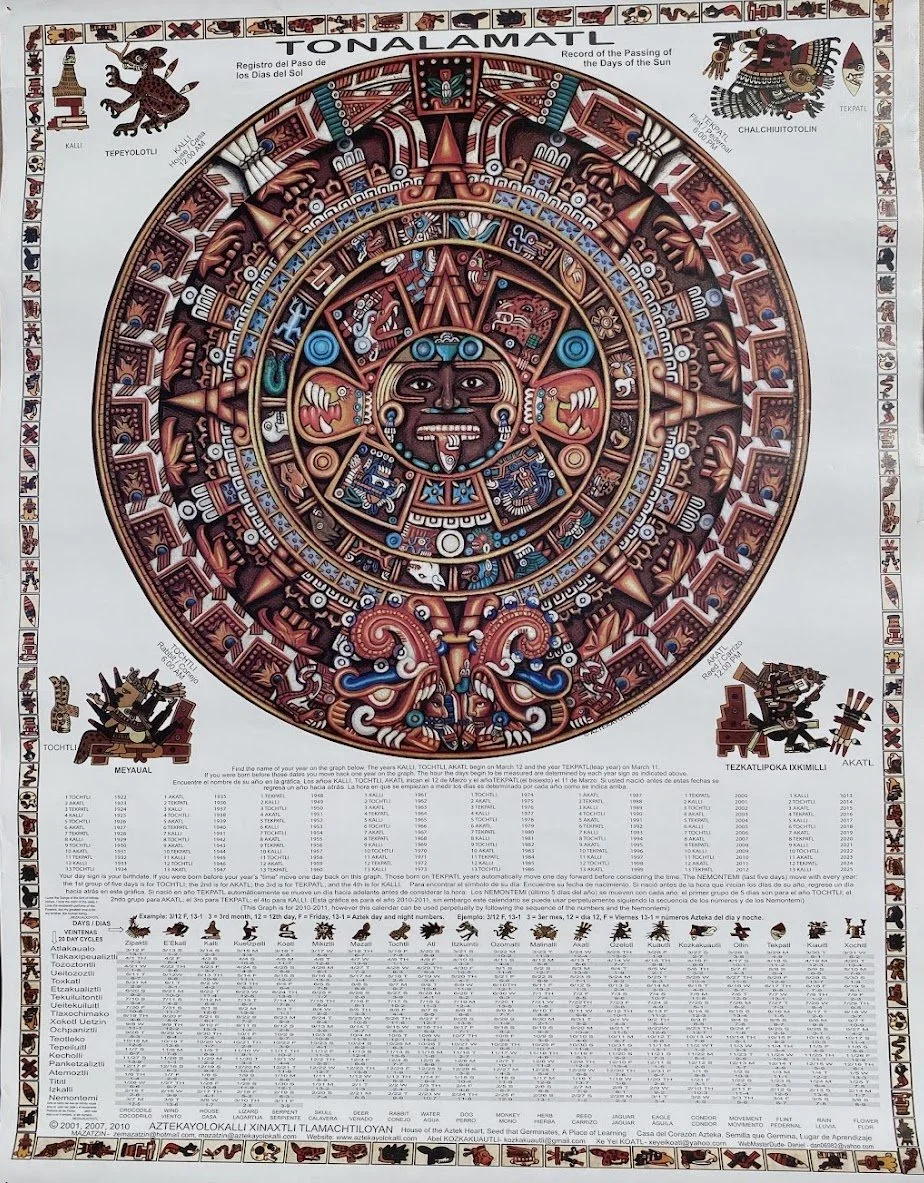
Calendar of days structured around the 260-day year Tonalpohualli Aztec calendar. Used in a unit on Aztec science and knowledge.
17”x23”
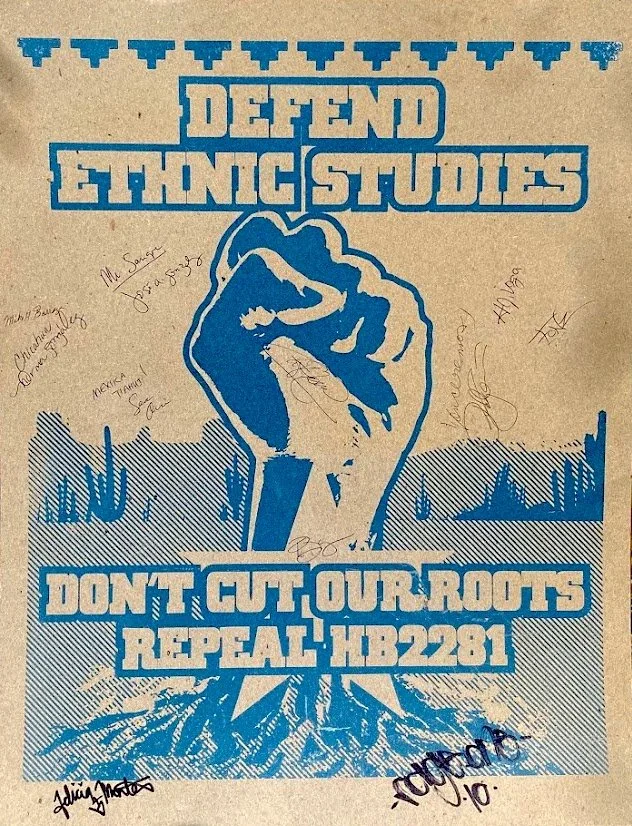
Designed by Tucson student activist Luis Valdez as part of the campaign against HB2281. This poster is signed by several students and teachers.
18”x23”
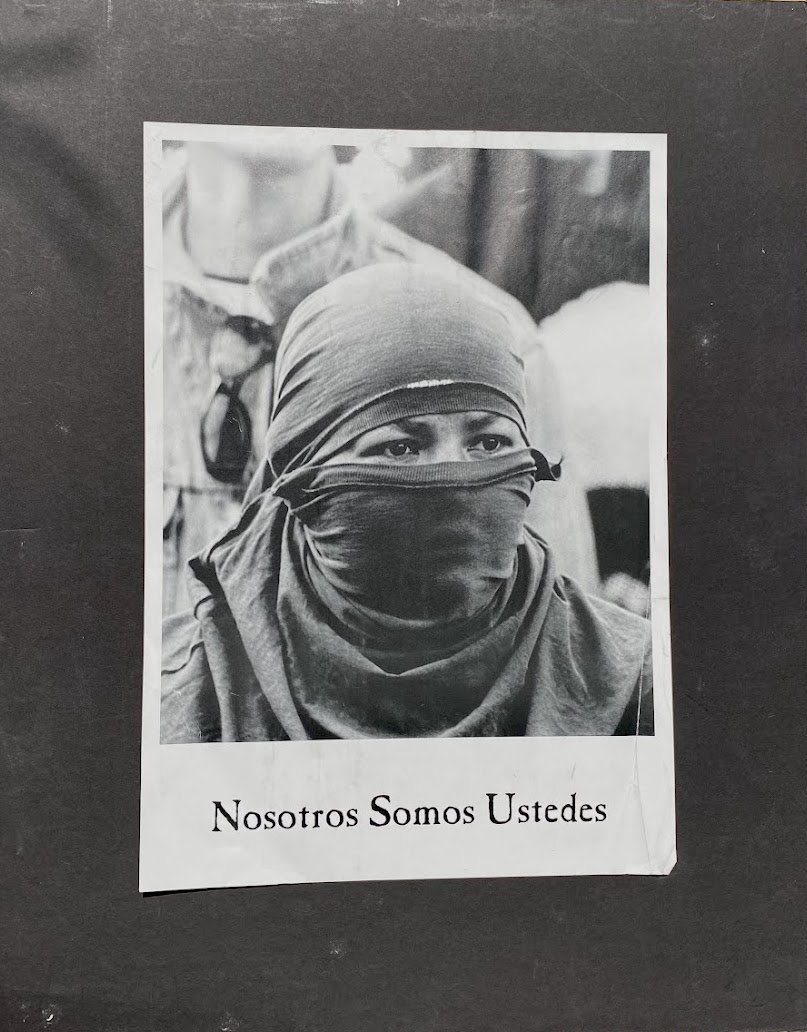
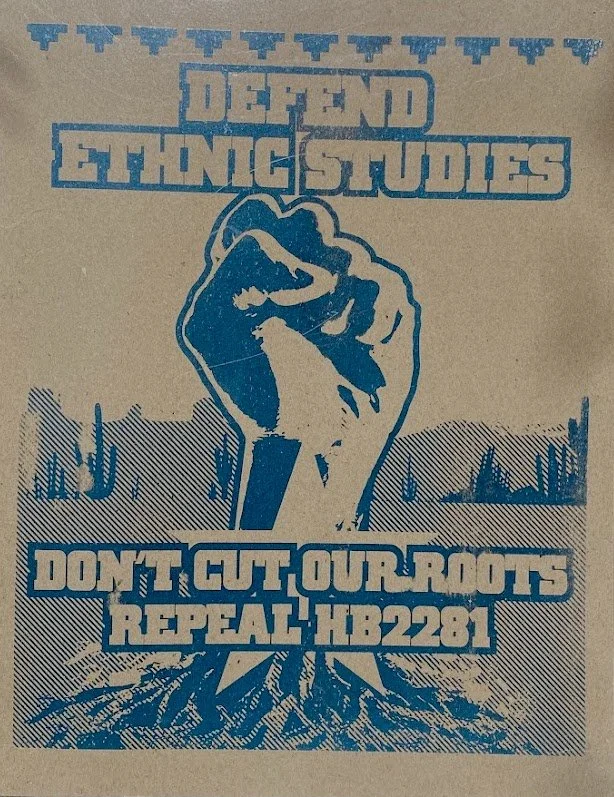
Designed by Tucson student activist Luis Valdez as part of the campaign against HB2281.
18”x23”
Laminated
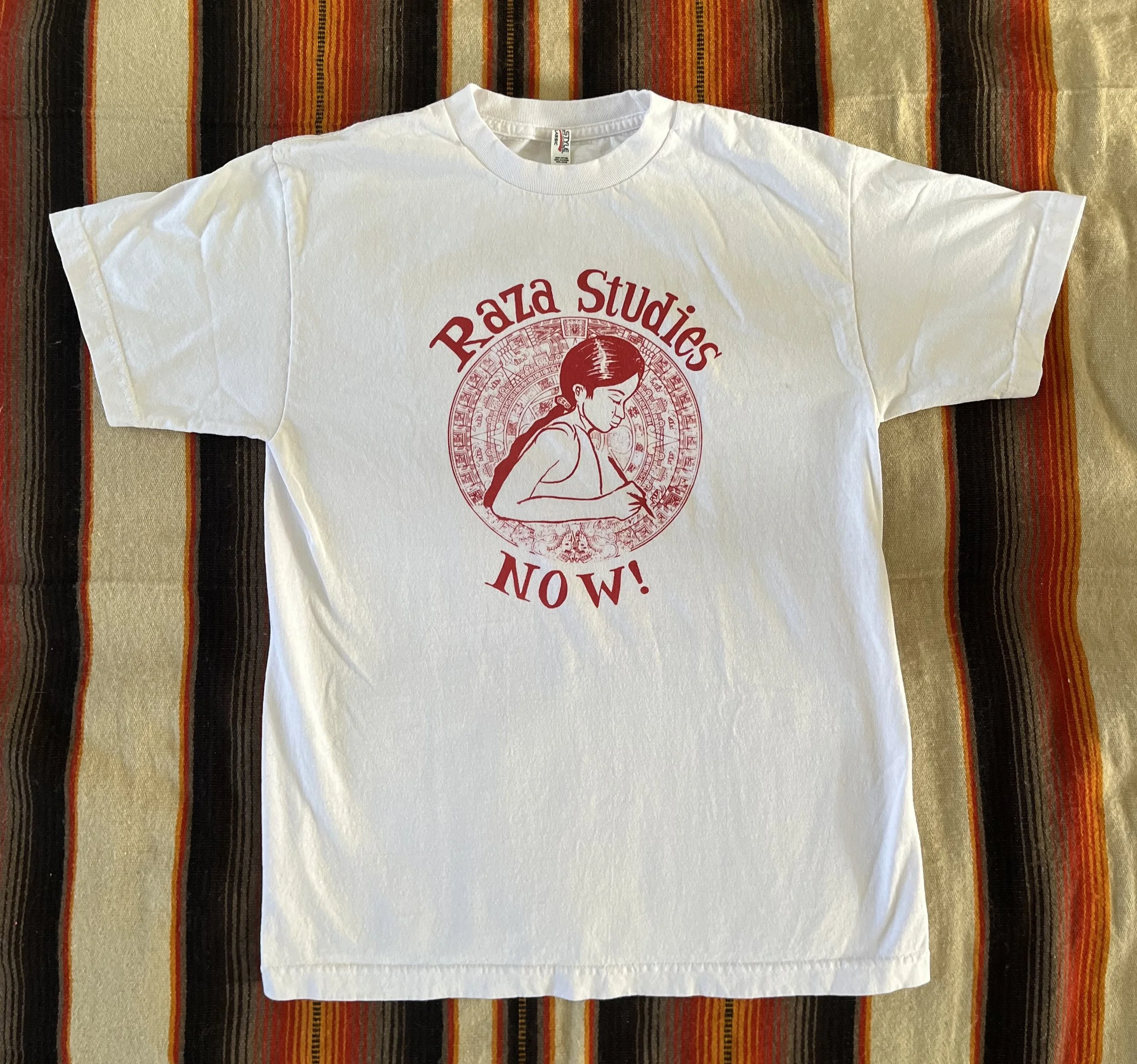
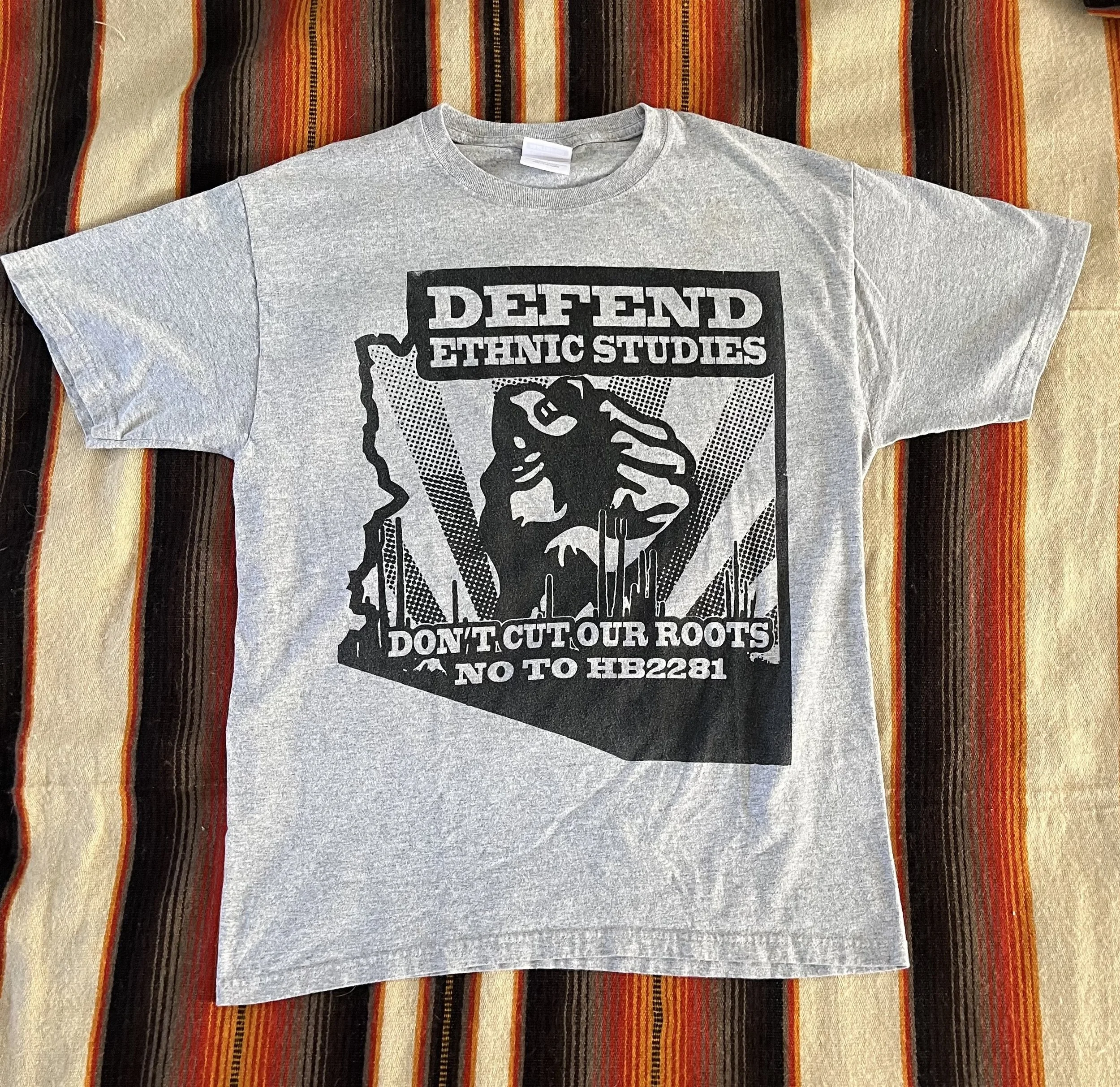
“Defend Ethnic Studies” designed by MAS student Luis Valdez as part of the campaign against HB2281.
Size: Adult M
Brand: Hanes Heavyweight
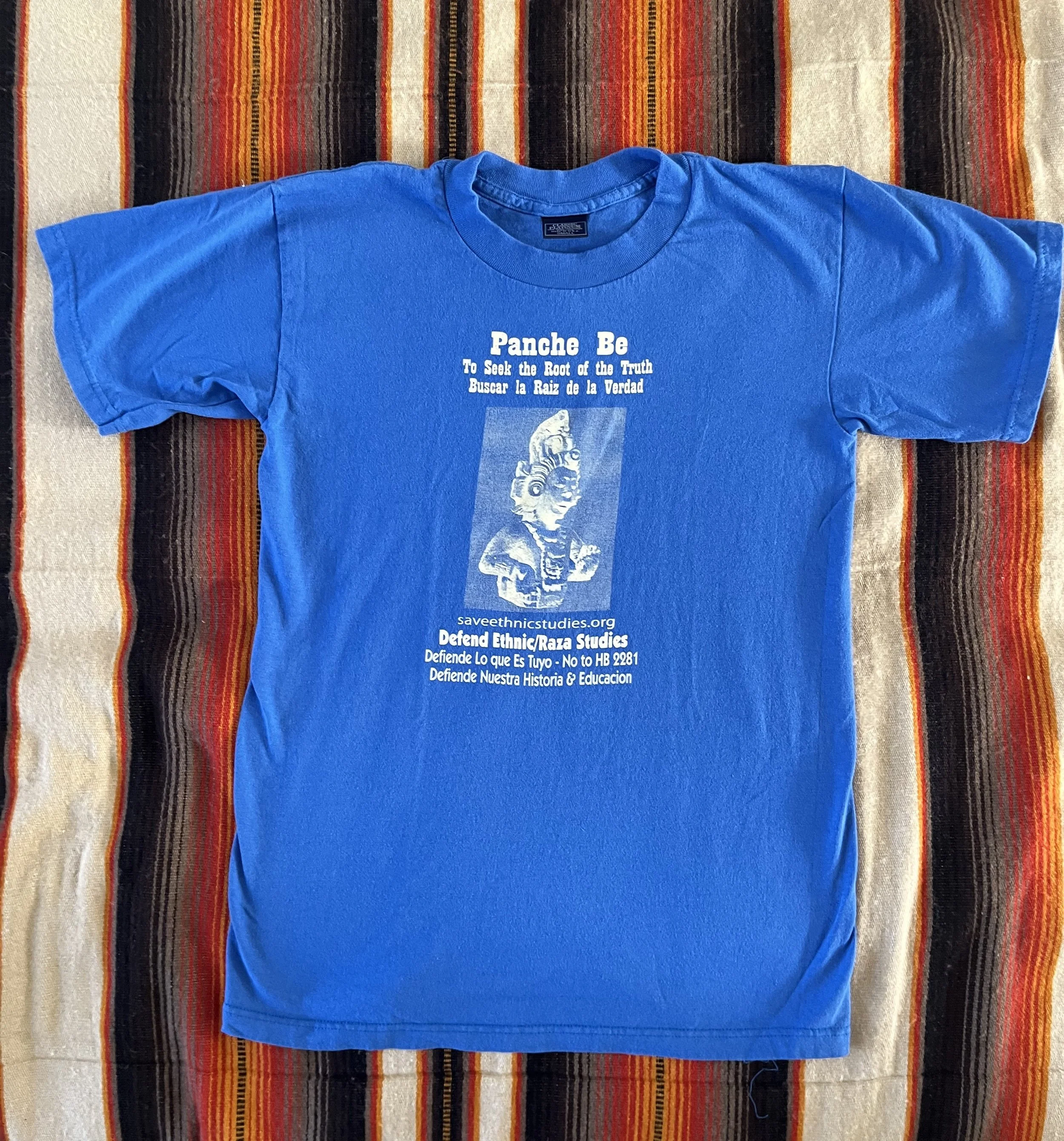
Designed in support of the Save Ethnic Studies campaign in Tucson.
Size: S
Brand: Classic Platinum 100% Cotton
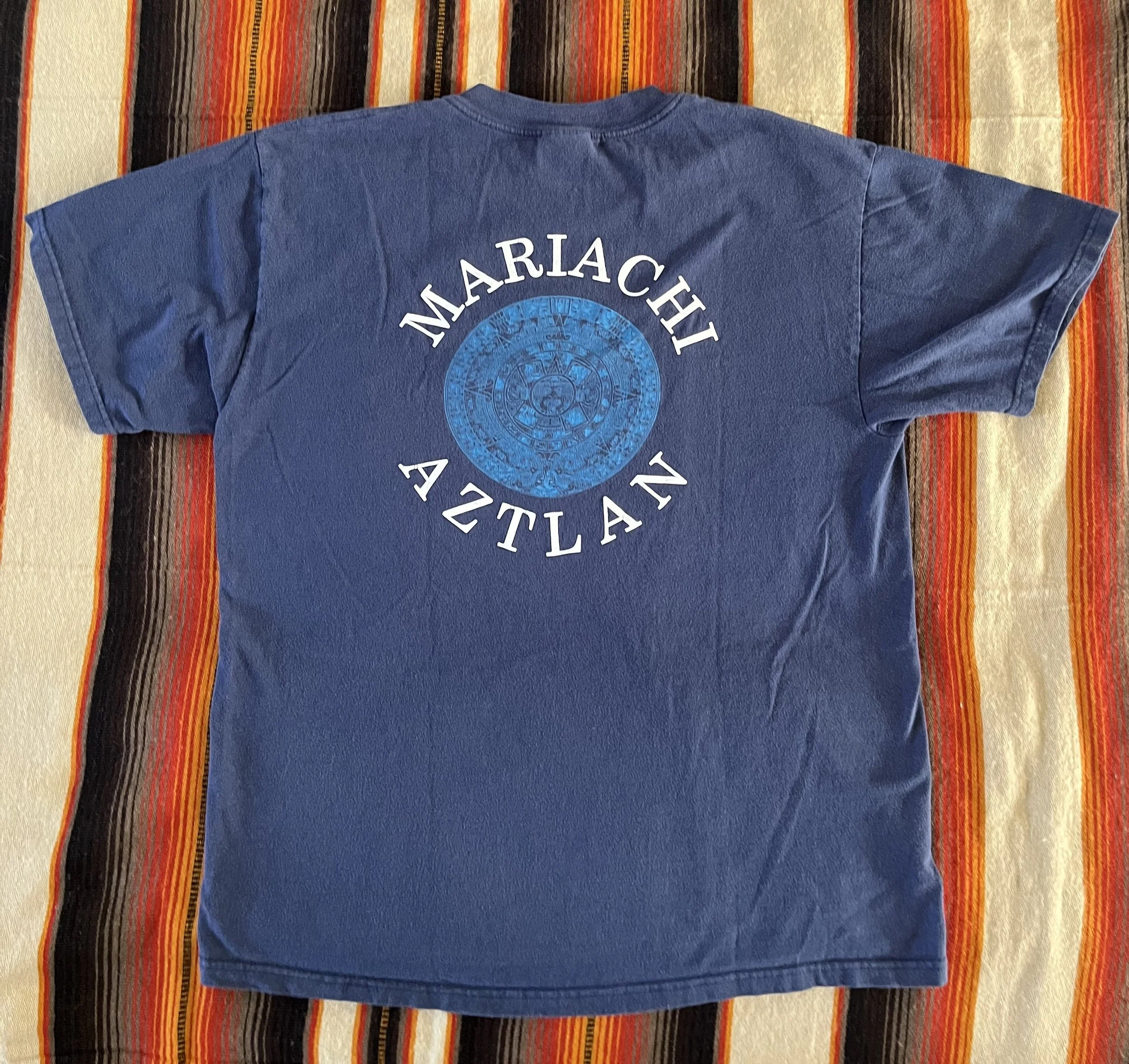
From Mariachi Aztlán de Pueblo High School, Tucson.
Size: L
Brand: Hanes 100% cotton
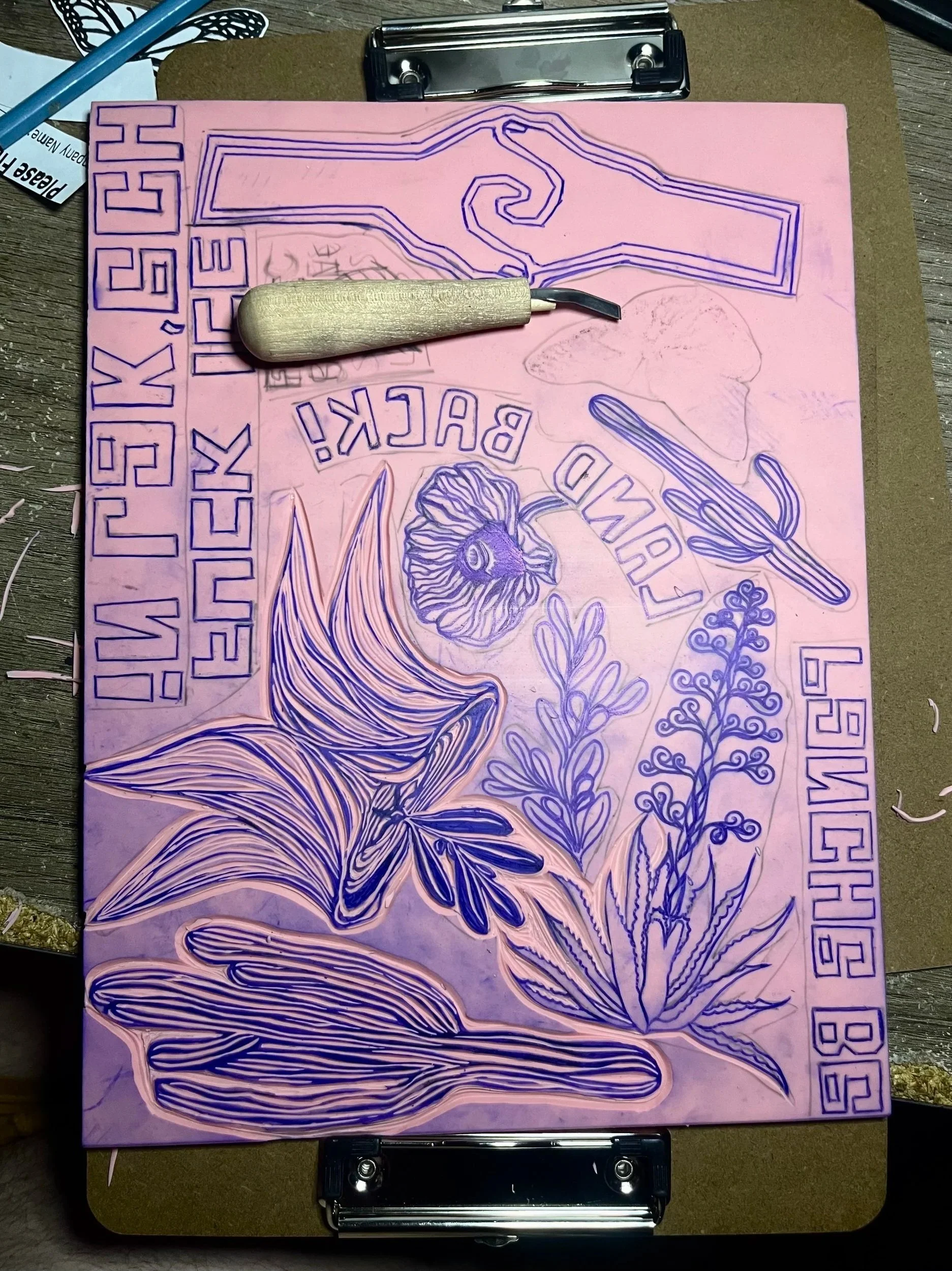
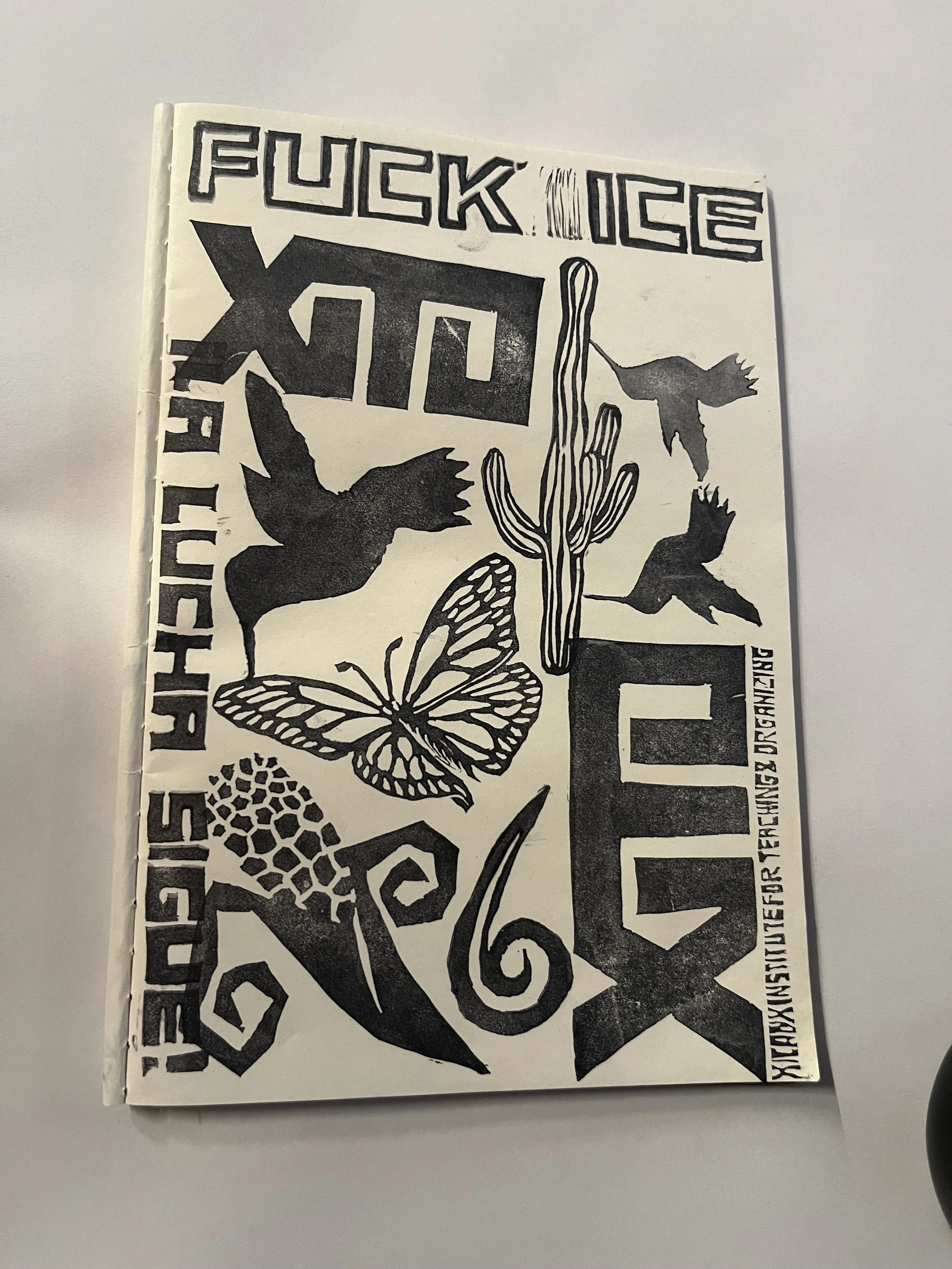
HANDMADE LINOCUT PRINTS
One-of-a-kind t-shirts, patches and more created using hand-carved linocut blocks.
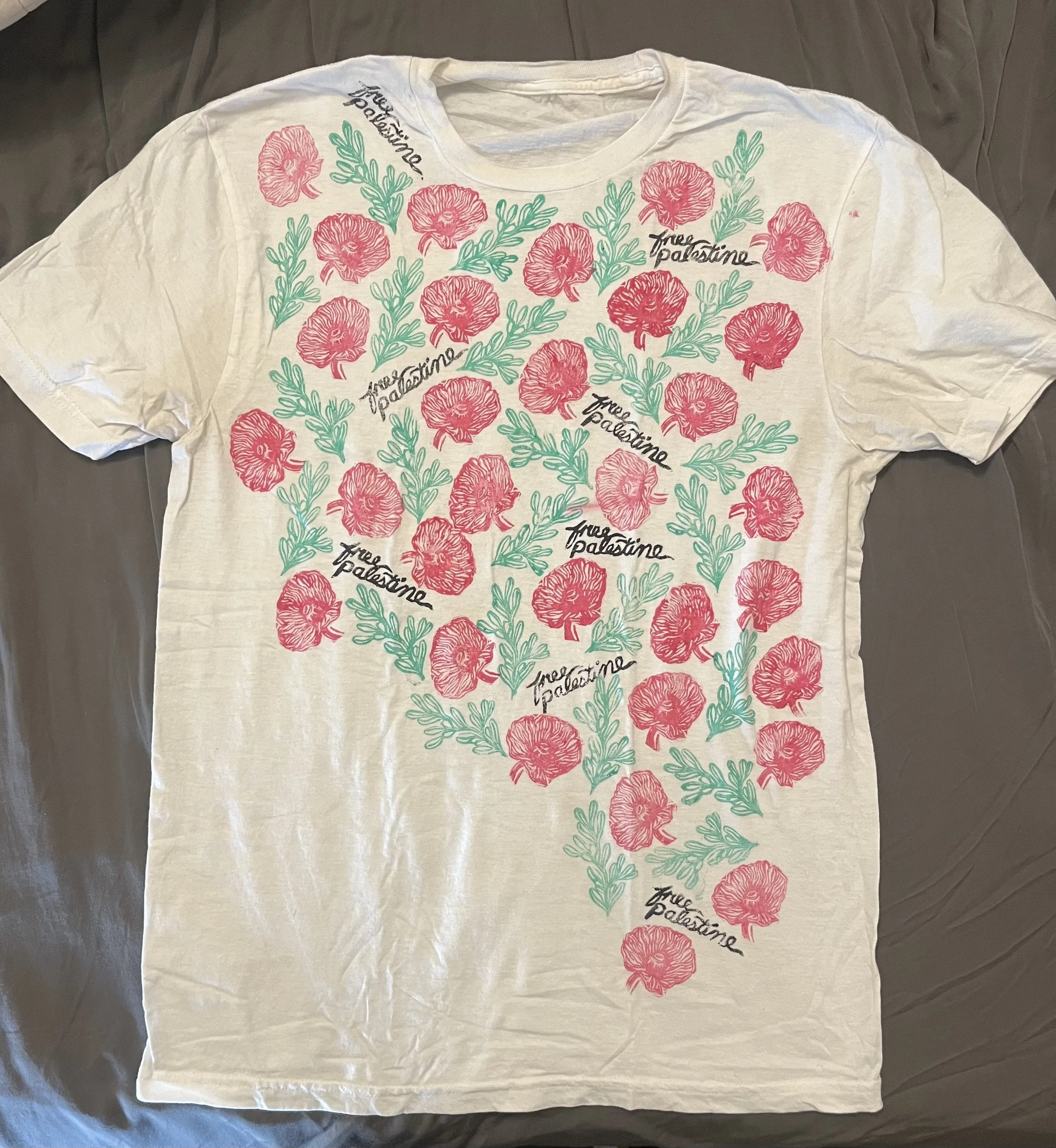
One-of-a-kind t-shirt created using hand-carved linocut stamps. Each shirt is unique and may not look exactly as pictured.
This design consists of olive branches, poppies, and the words “Free Palestine”
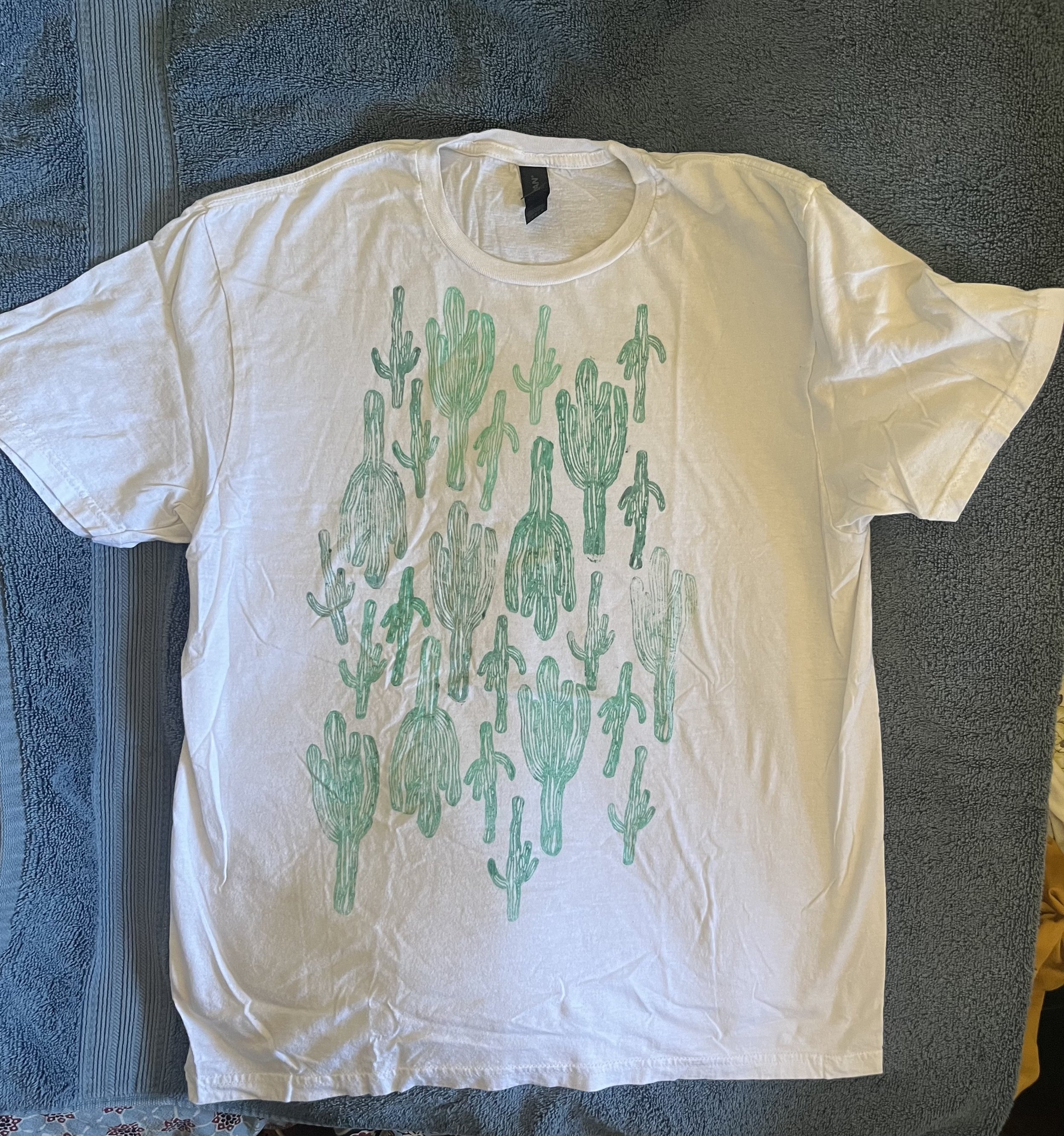
One-of-a-kind t-shirt created using hand-carved linocut stamps. Each shirt is unique and may not look exactly as pictured.
This design features saguaro cacti, native to the Sonoran Desert.
ETHNIC STUDIES CURRICULUM
This is a selection of the curriculum XITO has developed. A full list of units and lessons is available here. If you’re interested in a particular unit or lesson that isn’t yet available to purchase and download directly, please contact us!
Each unit includes 3-6 lessons with detailed lesson plans, corresponding slides, and a unit overview including guiding questions, learning targets, standards, key vocabulary, tips for teachers, and all linked readings and resources.
UNIT 1: IDENTITY
6 LESSONS
Compelling Question: Who are you in relation to yourself, culture, and society?
This is a unit that guides students through the process of developing a strong sense of identity and culture. By investigating the concepts of race, ethnicity, gender, sexuality, ability etc., students can examine themselves in relation to those parts of their identities. Along with looking inward, this unit provides lenses and tools to critically read the world around us and identify systems of oppression in order to begin to change those systems. This is a unit that encourages students to use their critical consciousness and historical literacy to better understand who they are, how they fit in society, what messages they are receiving about their identities and where they can make changes in their community. This is not only an opportunity for students to develop a love of themselves and their cultures, but also for teachers to do the same and to create a humanizing classroom space where students feel that they belong and their histories and cultures do as well.
Lessons
What is Ethnic Studies?
Who Am I & What Are My Identities?
Race & Ethnicity
Life in the Hyphen & A Double Consciousness
Intersectionality & Solidarity
Lotería: Developing a Love of Our Identities & Cultures
UNIT 2: SYSTEMS OF POWER
6 LESSONS
Compelling Question: What are systems of power and oppression and how have institutions maintained or perpetuated them?
This unit focuses on how institutions (educational, medical, legal, law enforcement) maintain and perpetuate systems of power. The unit begins with two frameworks for analyzing these systems - the levels of consciousness and the 4 I’s of Oppression. Using these frameworks as tools for analysis, students can identify what forms of oppression are evident in specific examples and how to ensure that a critical consciousness is being applied to that identification. The unit is then divided into four main institutions that hold power and often maintain oppression for BIPOC communities - those institutions include the educational and legal institution, the medical institution, the law enforcement institution and the immigration institution. Throughout the unit examples are also shared of how communities have pushed back on these systems of power and what social movements have developed through that resistance.
Lessons
Levels of Consciousness
The Four I’s of Oppression
The Legal Struggle for Educational Equality
Medical & Healthcare Systems
Policing & Prisons
Immigration
UNIT 3: SOCIAL MOVEMENTS & SOCIAL ACTION
6 LESSONS
Compelling Question: Why is Change Necessary?
Unit 3 provides an overview of social movements that represent the four racial groups included in Ethnic Studies. The unit begins with the overall struggle for Ethnic Studies as a discipline, from the Third World Liberation Front until today, so that students can appreciate how struggle and organizing has led to learning this content. The following weeks cover the Black Power movement, the Young Lords movement, Standing Rock and the NoDAPL movement and finally, the farmerworks movement highlighting solidarity between Chicanx, Filipinx and Arab (Yemeni) communities. The last week of the unit pulls all of the content together to compare and contrast how social movements make change. This is done by analyzing tactics and strategies each movement used and analyzing what worked, and what didn’t. During this unit, students will identify and connect with a local organization that is engaged in movement work around an issue they are interested in and develop a community action project. Students will present their projects at the end of the unit demonstrating their analysis and understanding gained throughout the six weeks of content.
Lessons
The Movement for Ethnic Studies
The Revolutionary Art of Emory Douglas
Young Lords: The People Fight Back
Indigenous Resistance: Standing Rock & The NoDAPL Movement
Farmworker Movement Solidarity: Chicanx, Filipinx & Arab
How Does Change Happen?
UNIT 5: CHICANX / LATINX HISTORY
3 LESSONS
Compelling Question: What are pivotal episodes in Chicanx-Latinx History which have proven to be socially and politically transformational for both Chicanx and greater U.S. society?
This unit provides a critical examination of 3 pivotal episodes in Chicanx History that socially and politically transformed not only the Chicanx community, but also the greater U.S. society. The first lesson, “The Birth of the Mexican American/Chicanx in the U.S.: Resistance & Affirmation” illustrates this community’s resistance to U.S colonization which led Mexican Americans/Chicanx to forge a distinct cultural and political identity of resistance. The second lesson, “Mass Deportations: Then & Now” affords students to critically examine anti-Mexican sentiment in the U.S. during the Great Depression, which has led to unjust immigration policy resulting in mass deportations. Moreover, students will compare and analyze anti-Mexican sentiment and scapegoating historically with contemporary anti-Mexican sentiment and U.S. immigration policy. Lastly, the third lesson, “The Zoot Suit Riots” provides students with another opportunity to examine anti-Mexican sentiment during the World War II era which led to state sanctioned violence by the U.S. Navy and Los Angeles Police Department (and supported by the white Los Angeles citizenry) which the Mexican American community was subject to, in particular the youth. The Zoot Suit Riots also resulted in Black-Chicanx solidarity, as both groups were subject to this same state sanctioned violence, which serves as a template for much needed future solidarity between these two racialized communities.
Lessons
The Birth of Mexican Americans/Chicanx in the United States: Resistance & Affirmation
Mass Deportations, Then & Now
The Zoot Suit Riots
INDIVIDUAL LESSONS
Each lesson includes a detailed lesson plan, corresponding slides, and all linked readings, resources and assessments.
LESSON: THE LEGAL STRUGGLE FOR EDUCATIONAL EQUALITY
From Unit 2: Systems of Power
In this lesson, students have an opportunity to analyze and evaluate key legal struggles for racialized communities (American Indian/Native American, African American/Black, Asian Americans/Pacific Islander, and Chicanx/Latinx) and assess their impact and implications. This lesson introduces a variety of different institutions and systems that perpetuate a legacy of inequality for BIPOC communities and in turn those communities, and their allies, have fought back against these injustices.
LESSON: POLICING & PRISONS
From Unit 2: Systems of Power
Lesson 5 provides an overview of policing and prisons in the U.S. and how systems of power are connected to who is most heavily policed and incarcerated. A focus on the history of policing, the prison industrial complex, the school-to-prison pipeline and abolition of prisons is covered in this week for students to connect all of these topics under the frame of systems of power. Students should be given opportunities to apply the levels of consciousness and the Four I’s of Oppression to this week’s content as a way to discuss and explain systems of power in policing and the prison industrial complex.
LESSON: YOUNG LORDS: THE PEOPLE FIGHT BACK
From Unit 3: Social Movements & Social Action
The purpose of this lesson is for students to learn about the Young Lords and how their actions led to systemic change for Puerto Ricans and other racialized groups. In this lesson, students will learn about the Young Lord’s organizing to ensure rights for adequate healthcare, which included taking over a hospital to raise awareness of the lack of medical support their community was receiving. Similar to the Black Panther Party, the Young Lord’s had a magazine and a 13 Point Plan. Students will begin to compare the demands of the Young Lords to those of the Black Panther Party and how social movements develop from the community’s pressure for change.
LESSON: INDIGENOUS RESISTANCE: STANDING ROCK & THE NoDAPL MOVEMENT
From Unit 3: Social Movements & Social Action
The purpose of this lesson is to highlight Indigenous resistance specifically around land and water protection, as examples of tribal sovereignty. Using Standing Rock as one example of social movements led by Indigenous communities, and specifically led by youth, students can then investigate other current issues and movements related to Indigenous resistance and tribal sovereignty. Using a building background knowledge workshop structure, students will have the opportunity to co-construct their understanding of this movement by reading, listening to and analyzing a variety of resources with their peers and comparing new knowledge they acquire.
LESSON: NATIVE AMERICAN BOARDING SCHOOLS
From Unit 4: Native American / American Indian History
This lesson is designed for students to develop a general understanding of the history of Native American boarding schools and the impact they had on Native American children and communities. Connections will be made between settler colonialism, assimilation and cultural genocide, particularly within the context of educational settings. The main part of this lesson will be a building background knowledge workshop in which students will have the opportunity to read, watch and listen to a variety of sources describing the histories and conditions of boarding schools as well as the long lasting impacts they have had.
LESSON: BIRTH OF MEXICAN AMERICANS/CHICANX IN THE UNITED STATES: RESISTANCE & AFFIRMATION
From Unit 5: Chicanx/Latinx History
The purpose of this lesson is to develop students’ awareness of the resistance to the colonization of Mexican Americans/Chicanx in the U.S. Southwest immediately following the U.S. War on Mexico (1848) to the early years of the 20th century. Through an analysis of Chicanx historical figures who exemplified resistance to U.S. colonization and Manifest Destiny, students will evaluate the various methods of resistance and determine their applicability today. The historical analysis of Chicanx resistance to colonization provides insight into “the Birth of Mexican Americans” within the historical context of the times, which was one of outright hostility and violence toward Mexicans. Moreover, students will choose what models of resistance utilized within the timeframe studied in this lesson to counter the oppression of Chicanx-Latinx, re-imagine and create a present and future wherein all peoples are seen and treated in their full humanity and come to realize justice.
LESSON: NATIVE AMERICAN RESISTANCE: THE RED POWER MOVEMENT
From Unit 4: Native American / American Indian History
This lesson’s content focuses on the Red Power Movement, including the American Indian Movement, and some of the strategies used for Native American organizers to fight for tribal sovereignty. Two examples from the Red Power Movement will be focused on - the occupation of Alcatraz and the occupation at Wounded Knee.
LESSON: JAPANESE AMERICAN INTERNMENT
From Unit 7: Asian American / Pacific Islander History
This lesson offers students a comprehensive examination of the national and local historical context that led to the forced internment of Japanese Americans during World War II and the violation of their constitutional rights. Through the analysis of Executive Order 9066, Supreme Court Case Korematsu v. United States (1944), and the Civil Liberties Act of 1988, students will practice evaluating primary source documents and their social, economic, and political ramifications for Japanese Americans and other racialized groups, making connections to current conditions in the United States.